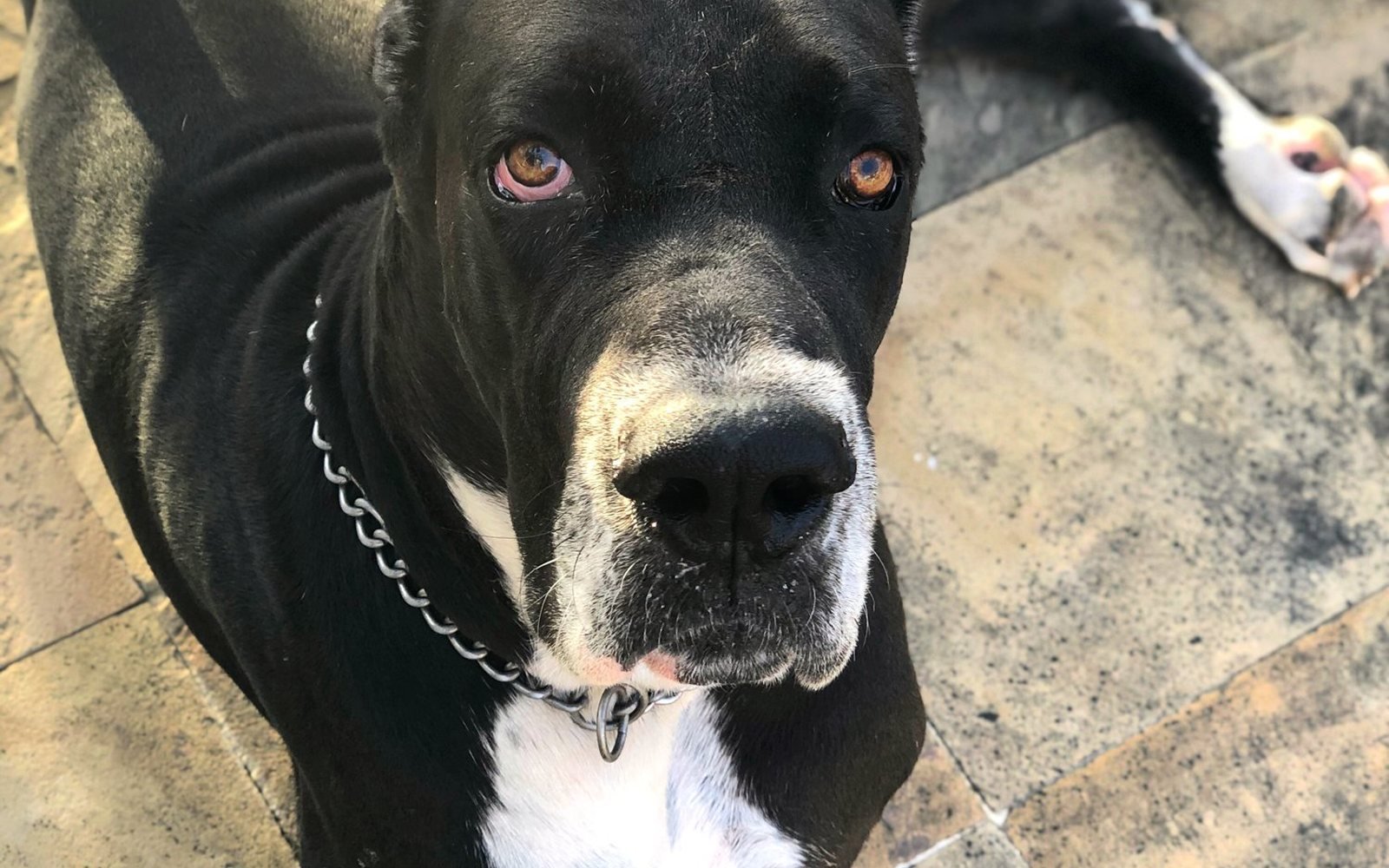
Gastric dilatation-volvulus (GDV), often called bloat, happens when a dog’s stomach fills with gas and can twist on itself. It is a life-threatening emergency, and deep-chested large breeds such as Great Danes, Weimaraners, Standard Poodles and German Shepherds are at higher risk.
Signs to watch for
- Retching or trying to vomit without bringing anything up
- A swollen, tight or painful belly
- Restlessness, pacing or being unable to get comfortable
- Heavy drooling or panting
- Pale gums, weakness or collapse
What to do
Go to an emergency veterinarian immediately. Call ahead so the team can prepare. Do not wait to see whether it passes — with GDV, minutes matter.
Lowering the risk
- Feed two or more smaller meals a day instead of one large meal.
- Use a slow-feeder bowl if your dog eats very fast.
- Avoid vigorous exercise right before and after meals.
- Ask your veterinarian about a preventive gastropexy, often done at the same time as spay or neuter.
Save the number of your nearest 24-hour emergency vet in your phone today.
This article is general information, not veterinary advice. Always talk to your veterinarian about your own dog.